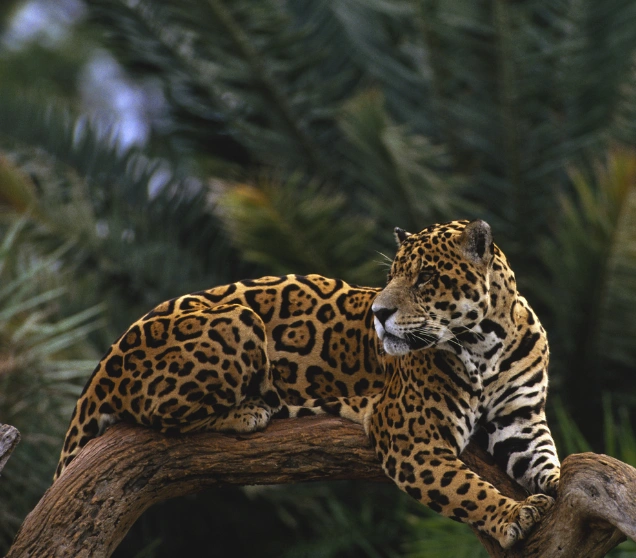
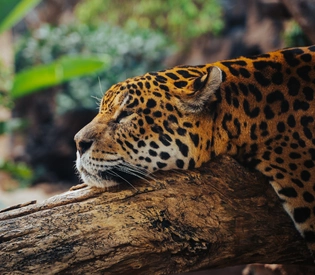
This 11-day wetland safari maps out the ultimate wilderness expedition through the Northern Pantanal, combining two of South America’s premier jaguar hotspots: the secluded Taiamã Ecological Reserve on the Paraguay River and the world-famous Meeting of the Waters State Park in Porto Jofre. Traveling by high-speed motorized rivercraft, overland safari vehicles, and guided foot patrols, this route traverses quiet backwaters, gallery forests, and open savannahs along the iconic Transpantaneira dirt road. Formatted specifically for website hosting, this blueprint features continuous prose paragraphs detailing daily overland/river transit distances, wildlife tracking opportunities (including jaguars, giant river otters, tapirs, and anteaters), and daily overnights.
Your Pantanal expedition begins in Cuiabá, where your private wildlife guide meets you for an overland transfer heading southwest past the town of Cáceres. Leaving the paved highway, turn onto dirt tracks that wind through rural cattle ranches and riverine scrub to reach the banks of the Paraguay River by midday. Check into your riverside wilderness lodge, enjoy lunch, and set off on an afternoon boat safari navigating the riverbanks to observe caimans, capybaras, and fishing raptors before returning at sunset. Overnight along the Paraguay River.
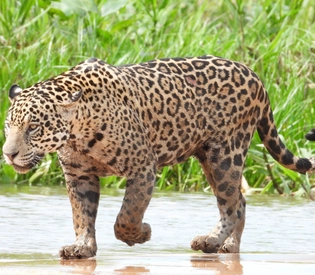
Embark on a full-day river safari departing early in the morning toward the protected, seldom-visited channels of the Taiamã Ecological Reserve. Cruise along quiet backwater bays and river bends where jaguars frequently hunt along the water's edge or rest on sandbars. Alongside big cat tracking, observe family groups of giant river otters playing in the currents, howler monkeys in the canopy, and an array of aquatic birds before returning to the lodge for dinner. Overnight along the Paraguay River.
Spend a second dedicated day navigating the isolated tributaries and floating vegetation mats of the Paraguay River ecosystem. Morning and afternoon boat outings focus on capturing jaguar behaviors, including territorial patrols and hunting attempts on caimans. Take a mid-day break during the warmest hours at the lodge before embarking on a late afternoon cruise to photograph wildlife against the golden hour reflections of the river. Overnight along the Paraguay River.
Check out after breakfast and drive east back toward the northern entrance of the famous Transpantaneira Highway. Arrive at a traditional eco-lodge set within a vast private savannah reserve by early afternoon. Embark on a guided forest walk along canopy trails to track terrestrial mammals, then set out after sunset on a nocturnal spotlight safari searching for ocelots, pumas, giant anteaters, tamanduas, and night birds like potoos and owls. Overnight along the Northern Transpantaneira.
Dedicate the day to exploring the savannahs, gallery forests, and wetlands of the private reserve. Spent time photographing massive Jabiru stork nests built high in sterculia trees and hundreds of caimans gathered around drying lakes. Combine overland 4x4 safaris with guided walks into remote corners of the ranch, which offer some of the best chances in the region for spotting southern tamanduas, giant anteaters, and Brazilian tapirs. Overnight along the Northern Transpantaneira.
Enjoy another full day of wilderness activities across varying habitats within the reserve. Choose between early morning horseback riding through shallow marshlands or open-vehicle drives along private tracks to spot red brocket deer and vibrant flocks of Hyacinth Macaws. In the evening, set off on another night safari to track elusive nocturnal mammals across the open plains. Overnight along the Northern Transpantaneira.
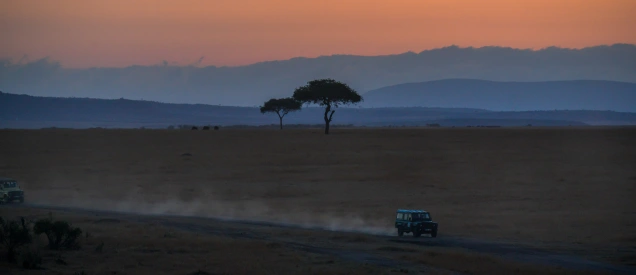
Check out after breakfast and drive south along the unpaved Transpantaneira Highway, crossing dozens of rustic wooden bridges. This slow-paced drive functions as an extended overland safari, offering sightings of marsh deer, agami herons, and caimans basking beside roadside ditches. Arrive by early afternoon in Porto Jofre along the Cuiabá River, check into your lodge, and embark on an afternoon boat safari to begin tracking big cats along the river banks. Overnight in Porto Jofre.
Spend a full day navigating the river network of Meeting of the Waters State Park, including the Cuiabá, Piquiri, and Três Irmãos Rivers. Spend at least eight hours on the water utilizing skilled boatmen and radio communication networks to locate jaguars moving along the banks, swimming across channels, or resting on shaded beaches. Watch for giant river otters, capybaras, and kingfishers throughout the day.
Overnight in Porto Jofre.
Embark on another full-day boat safari deep into the narrow channels and quiet oxbow lakes of the park. Operating during both morning and afternoon peak wildlife hours allows for photographing jaguar behaviors such as caiman hunting, mating pairs, and cub interactions. Enjoy a packed lunch along a quiet stretch of river or return to the lodge during the hottest midday hours before resuming the search.
Overnight in Porto Jofre.
Dedicate your final full day in the Pantanal to searching for big cats and aquatic wildlife along the Cuiabá River and its tributaries. Revisit active territory zones to search for individual jaguars not yet encountered and capture photos of the rich birdlife, including black skimmers, jabirus, and toucans. Return to the lodge as dusk falls over the wetland landscape for a farewell dinner. Overnight in Porto Jofre.
Enjoy a final breakfast at the lodge before checking out for the northbound overland journey. You can take a chartered flight to Cuiabá. Arrive in Cuiabá by midday for lunch before transferring directly to Marechal Rondon International Airport or your city hotel, bringing your wilderness safari to a close.
Frequently Asked Questions
The best time to visit the Pantanal is during the dry season, which runs from June through November. As the floodwaters recede during these months, the landscape dries out and forces animals to gather around remaining riverbanks, lagoons, and dry land channels. Water levels drop sufficiently for boat navigation in key areas like Porto Jofre and Taiamã, making big cats easily visible as they hunt along exposed sandbars in open view.
During the dry season from June to November, the Pantanal generally experiences warm, sunny weather with clear blue skies. Rain is infrequent during these months, making overland travel along the Transpantaneira dirt road smooth and accessible. However, occasional winter cold fronts known as friagens can sweep through between June and August, causing temperatures to drop sharply for a couple of days, so warm layers are recommended for early morning boat trips.
The wet season spans from December through May, transforming the region into a vast, flooded inland sea. While the landscape turns lush and green, wildlife disperses across the expansive wetlands rather than gathering near river channels, making jaguars and terrestrial mammals much harder to track. While the wet season is ideal for birdwatching and exploring submerged forests by boat, the dry season remains the undisputed choice for big cat photography and mammal viewing.
Travelers should pack lightweight, breathable, and quick-drying long-sleeved shirts and trousers in neutral earth tones to protect against both the strong tropical sun and biting insects. Essential items include a wide-brimmed sun hat, polarized sunglasses, high-SPF sunscreen, and strong insect repellent containing DEET or Picaridin. For wildlife photography, bring a camera equipped with a telephoto lens (300mm to 600mm) alongside a sturdy pair of waterproof binoculars for viewing animals across wide river channels.
Yes, participating in organized safaris with experienced local guides and skilled boatmen is safe. Jaguars in regions like Meeting of the Waters State Park and Taiamã Reserve are wild animals, but they have grown accustomed to the non-threatening presence of motorized boats over years of regulated ecotourism. Following your guide's safety instructions, remaining seated inside the vessel during river approaches, and maintaining a respectful distance ensures both human safety and the protection of the animals.


