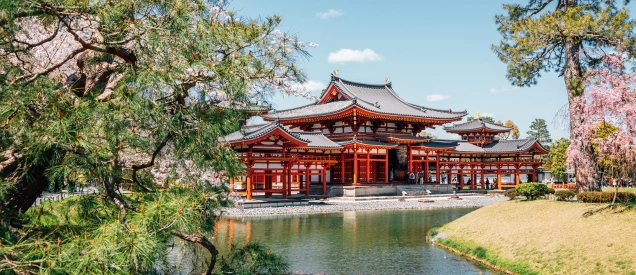
Welcome to the Sakura world! This 12 day journey follows a west-to-east path across Japan’s main island. By landing in Tokyo and immediately heading west to Hiroshima, you can forward your primary luggage straight to your central hotel, traveling light and hands-free for the first few days. The route gradually leads you back east through the imperial treasures of Kansai, scenic views of Mt. Fuji, and into Tokyo. Along the way, you will experience Japan’s iconic spring highlights: Cherry blossom groves framing UNESCO castles, a traditional matcha tea ceremony led by a tea master, the wild deer of Nara, and views of Mt. Fuji. Balanced with high-speed bullet train travel, world-class street food, and digital art exhibits.
Arrive at Narita or Haneda Airport, where you can easily send your heavy luggage ahead to your Osaka or Kyoto hotel using Japan’s hands-free luggage delivery service (Takkyubin). Board the high-speed Shinkansen bullet train heading all the way west to Hiroshima. Unwind on the scenic ride as urban landscapes yield to the countryside, arriving in time for a warm dinner of local Hiroshima-style okonomiyaki. Overnight in Hiroshima.
Spend your morning at the serene Hiroshima Peace Memorial Park and Museum to learn about the city’s poignant history and message of global peace, flanked by blooming cherry trees along the Motoyasu River. In the afternoon, take a short ferry ride over to Miyajima Island to admire the famous "floating" torii gate of Itsukushima Shrine set against the Seto Inland Sea. Overnight in Hiroshima.
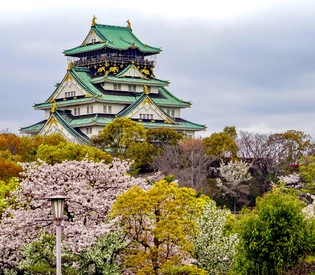
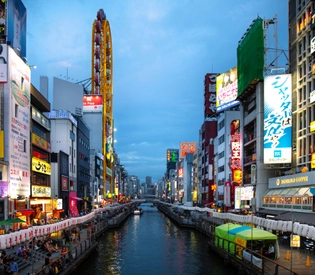
Board the Shinkansen heading east toward Osaka, Japan’s famed culinary capital. After settling into your hotel, spend the late afternoon taking in the views at Osaka Castle Park, where hundreds of sakura trees frame the ancient moats. As night falls, explore the dazzling, neon-lit canal district of Dotonbori to feast on local street food like fresh takoyaki and grilled skewers. Overnight in Osaka.
Take a short morning train ride to Himeji Castle, widely regarded as Japan’s grandest original castle. Known as the "White Heron Castle," its grand wooden structure is surrounded by over 1,000 blooming cherry trees that paint the grounds in shades of soft pink. Return to Osaka in the afternoon for shopping in the bustling Shinsaibashi district or panoramic city views from the Umeda Sky Building. Overnight in Osaka.
Travel to Nara, Japan’s ancient former capital, where friendly, free-roaming sacred deer wander beneath a canopy of cherry blossoms. Marvel at the colossal bronze statue at Todai-ji Temple, one of the largest wooden buildings in the world, and wander the stone lantern-lined paths of Kasuga Taisha Shrine. In the late afternoon, take a quick local train to Kyoto and take a peaceful evening stroll through the preserved wooden alleys of Ninenzaka and Sannenzaka. Overnight in Kyoto.
Start early to experience the famous Arashiyama Bamboo Grove in the soft morning light before visiting the adjacent Tenryu-ji Temple and its sweeping landscape garden. In the afternoon, cross the city to admire Kinkaku-ji (The Golden Pavilion), whose top floors covered in gold leaf reflect over the surrounding pond. Conclude your afternoon at Ryoan-ji Temple to contemplate its world-renowned Zen rock garden. Overnight in Kyoto.
Begin your morning walking beneath the iconic red torii gates of Fushimi Inari Shrine as they wind up the mountainside. Following your walk, participate in an authentic Japanese Tea Ceremony conducted by a tea master, gaining insight into the mindfulness and history behind preparing ceremonial matcha. End your day at Kiyomizu-dera Temple, taking in sweeping views of Kyoto framed by pink cherry blossoms from its massive wooden stage. Overnight in Kyoto.
Depart Kyoto on the Shinkansen toward the picturesque Fuji-Hakone region. Visit Arakurayama Sengen Park and Chureito Pagoda for the classic view of Mt. Fuji framed by blooming sakura trees. Sail across Lake Ashi on a scenic boat cruise and take the Hakone Ropeway over the steaming volcanic terrain of Owakudani Valley. Cap off the evening by relaxing in a traditional thermal onsen bath and enjoying a multi-course kaiseki dinner. Overnight in Hakone.
Enjoy a tranquil morning taking in views of Mt. Fuji across the water before taking a local express train into Tokyo. Spend your afternoon wandering the upscale Ginza district or visiting the historic red-brick Tokyo Station area with its bustling subterranean shopping streets. Overnight in Tokyo.
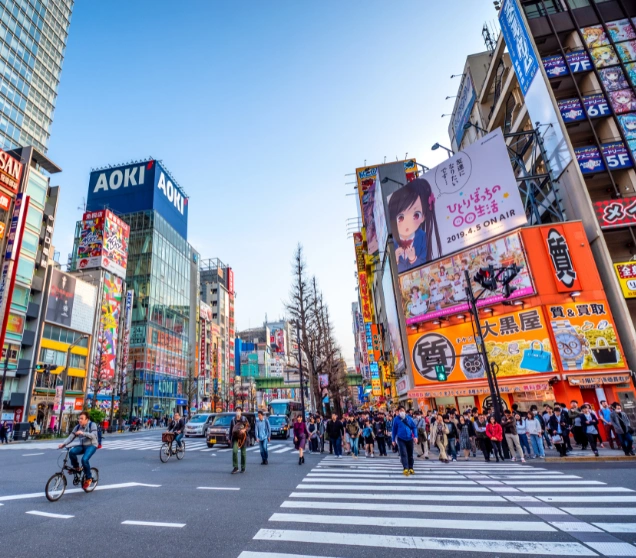
Dedicate the day to Tokyo's best cherry blossom spots and historic landmarks. Start at Senso-ji, Tokyo’s oldest Buddhist temple in Asakusa, before strolling down Nakamise Shopping Street. Head over to Ueno Park and Chidorigafuchi Moat, where thousands of cherry trees overhang the water creating tunnels of pink blossoms. Conclude your day exploring the neon-drenched electronics and pop-culture haven of Akihabara. Overnight in Tokyo.
Dive into Tokyo's modern culture starting at the tranquil, forested Meiji Jingu Shrine before stepping onto the bustling, colorful Takeshita Street in Harajuku and Shibuya Crossing. In the afternoon, cross over to Toyosu for the immersive digital art installation at teamLab Planets. Spend your final evening in Japan enjoying a sunset stroll along the Odaiba waterfront overlooking Tokyo Bay and the illuminated Rainbow Bridge. Overnight in Tokyo.
Spend your final morning taking a peaceful walk through the Imperial Palace East Gardens, admiring the historic stone moats surrounded by seasonal blooms. Pick up last-minute souvenirs or Japanese treats before boarding the airport express train to Narita or Haneda Airport for your flight home. Transfer to the airport covers roughly 60 km, concluding your 12-day sakura journey.
Frequently Asked Questions
The ideal window for this specific route is late March through early April. Cherry blossoms across the Golden Route cities Hiroshima, Osaka, Kyoto, Mt. Fuji, and Tokyo typically begin opening in late March and reach full bloom roughly seven to ten days later. By starting your journey in western Japan and moving east over 12 days, you create a rolling window that maximizes your chances of catching peak blooms across different microclimates as temperatures warm up.
Japan’s luggage delivery network, commonly known as Takkyubin, allows you to ship your heavy suitcases directly between hotels so you can travel hands-free. Upon landing at Narita or Haneda Airport on Day 1, you can drop your main luggage at the transport counter and ship it directly to your hotel in Osaka or Kyoto, keeping only a small backpack with essentials for your initial stay in Hiroshima. Hotels throughout Japan make this process effortless by allowing you to arrange next-day forwarding directly from the front desk for around $15 to $20 USD per bag.
Individual Shinkansen bullet train tickets are generally more cost-effective for this itinerary than purchasing a national Japan Rail Pass. You can easily book point-to-point Shinkansen tickets as you go using official apps like SmartEX, or combine individual long-distance bullet train tickets with regional transport passes for the western leg. For daily subway rides, buses, and convenience store purchases within Tokyo, Kyoto, and Osaka, simply tapping a contactless IC card on your smartphone provides maximum convenience.
Because spring is Japan's absolute peak travel season, you should aim to book your accommodations and major transport four to six months in advance. Boutique hotels in Kyoto, traditional hot spring inns in Hakone, and central Tokyo stays fill up rapidly, with prices rising significantly closer to spring. Additionally, if you plan to carry any oversized luggage onto the Shinkansen rather than shipping it, you must reserve dedicated baggage seats in advance through the ticket booking system.
While sakura timing varies slightly each year depending on winter temperatures, this itinerary is packed with rich experiences that make the trip incredible regardless of the exact bloom stage. If the blossoms arrive early, you will experience the breathtaking hana-fubuki phenomenon, where falling petals blanket riverbanks and temple moats in soft pink. If the blooms are delayed, the route still highlights world-class destinations including UNESCO World Heritage sites, iconic castles, immersive digital art museums, authentic tea ceremonies, and renowned culinary districts ensuring an unforgettable journey.