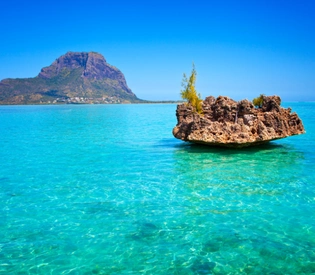
This 6-night travel itinerary maps out the complete routing, blending capital culture, natural volcanic wonders, island catamaran escapes, and relaxing coastal leisure days. Designed specifically for website publication, this blueprint uses fluid prose paragraphs to optimize reader engagement. Guests explore historic landmarks in Port Louis and botanical gardens in the North, discover crater lakes and national parks in the South, cruise across clear lagoons to Île aux Cerfs, and enjoy dedicated leisure time along paradise beaches.
Arrive at Sir Seewoosagur Ramgoolam International Airport and transfer across the island to your resort. Check in and spend your afternoon relaxing by the pool or strolling along the beach. Enjoy dinner at the resort. Overnight in Mauritius.
Explore northern Mauritius starting in Port Louis: take in views from Fort Adelaide, browse the Central Market, and walk the Caudan Waterfront. Visit the SSR Botanical Garden in Pamplemousses to see giant water lilies, then tour L'Aventure du Sucre sugar factory museum. Return to your hotel for dinner. Overnight in Mauritius.
Visit Trou aux Cerfs, an extinct volcanic crater with 360-degree views, followed by Grand Bassin sacred lake and its giant Lord Shiva statues. Drive through Black River Gorges National Park to see dramatic waterfalls and endemic flora before returning via scenic coastal roads for dinner. Overnight in Mauritius.
Transfer to Trou d’Eau Douce and take a speedboat or catamaran to Île aux Cerfs. Spend the day swimming, relaxing on white sand beaches, or enjoying optional water sports (parasailing, snorkeling, banana boat rides). Return to the mainland for dinner at your hotel. Overnight in Mauritius.
Spend a full day enjoying your resort's facilities, non-motorized water sports, or poolside lounging. Optionally book an underwater sea walk, scuba dive, or northern reef catamaran cruise. End with sunset cocktails and dinner. Overnight in Mauritius.
Unwind with a resort spa treatment, visit local craft markets, or take an optional excursion to Blue Bay Marine Park for a glass-bottom boat tour and snorkeling over coral gardens. Enjoy a final celebratory dinner by the water. Overnight in Mauritius.
After breakfast, complete checkout formalities and take your private transfer back to the airport for your flight home.
Frequently Asked Questions
The ideal period to explore Mauritius falls between May and December during the dry, sunny, and pleasantly mild season. During these months, the island experiences warm coastal breezes, low humidity, and comfortable temperatures hovering around $20^circtext{C}$ to $28^circtext{C}$, creating perfect conditions for beach lounging, outdoor sightseeing, and water sports.
It is generally advisable to exercise caution when planning a trip between January and March, which marks the height of the island's hot, humid summer and cyclone season. While major cyclones hit the mainland infrequently, these months bring heavy tropical downpours, high humidity levels reaching over $33^circtext{C}$, and occasional ocean swells that can interrupt boat cruises and outdoor excursions.
Budget-conscious travelers will find the shoulder months of May, June, and September to be the sweet spot for visiting the island. During these transition periods, major luxury resorts offer significantly lower room rates and added promotional perks, while popular sights remain peaceful and free from the large crowds typical of the peak European summer and festive December holiday rushes.
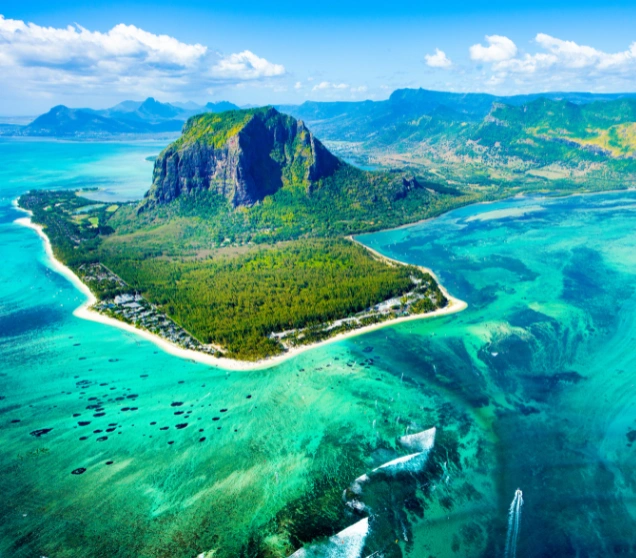
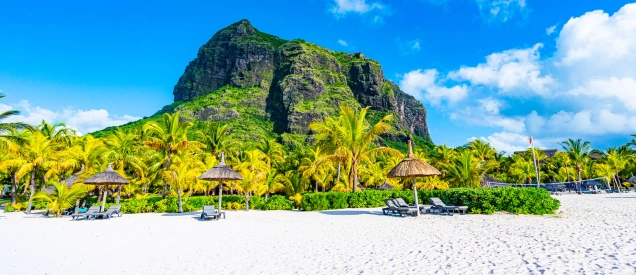
Water sports enthusiasts will find optimal conditions depending on their chosen activity, with the months from October through December delivering crystal-clear underwater visibility and warm sea temperatures ideal for scuba diving and coral reef snorkeling. Conversely, travelers looking to experience world-class kitesurfing should plan their visit between June and August, when strong, steady southeast trade winds blow across famous southern lagoons like Le Morne.
Mauritius features distinct microclimates across its regions, meaning your coastal location can noticeally impact your daily weather experience. The sheltered North and West coasts stay consistently warmer, drier, and protected from high winds throughout the year, making them ideal for calm swimming waters, whereas the East and South coasts catch refreshing trade winds that keep temperatures cooler, particularly during the winter months.