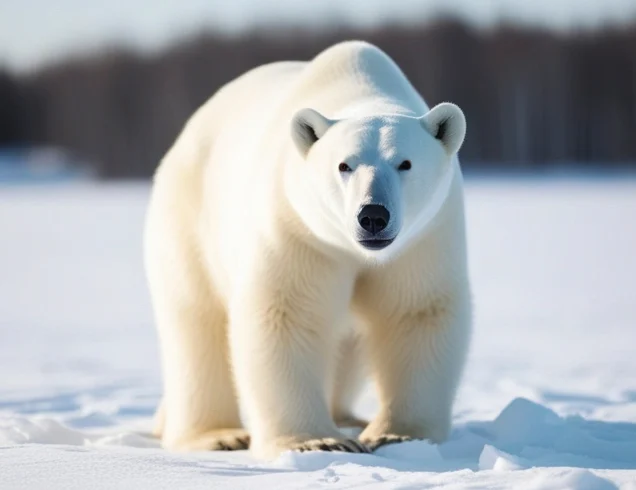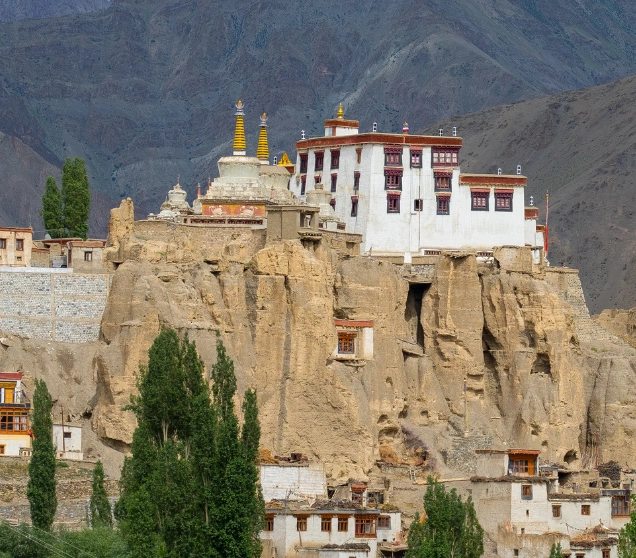
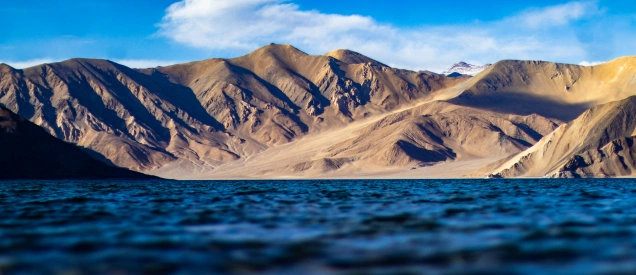
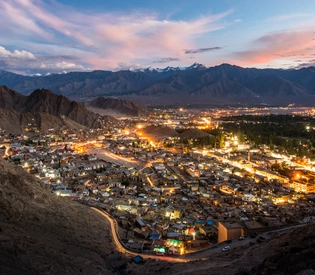
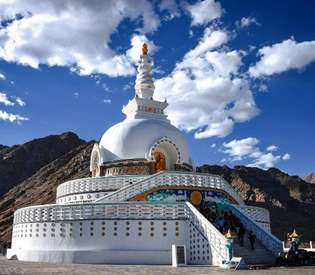
This high-altitude winter expedition takes you deep into the Trans-Himalayan wilderness of Ladakh, India, in search of the elusive snow leopard often called the “ghost of the mountains” alongside rare Himalayan wildlife such as the Tibetan wolf, ibex, and blue sheep (bharal). Designed for nature enthusiasts and wilderness seekers, the journey begins in the historic mountain town of Leh, where dedicated acclimatization days allow your body to adapt to the thin high-altitude air while exploring local monasteries and cultural sites. From Leh, the expedition ventures into the pristine valleys of the Trans-Himalayan region (such as Rumbak Valley and Hemis National Park), where expert local trackers and spotters use field scopes and deep ecological knowledge to trail big cats across snowy ridges and frozen riverbeds.
Arrive at Kushok Bakula Rimpoche Airport in Leh, situated at an altitude of over 11,000 feet (3,500 meters). You will be met upon arrival and transferred to your accommodation. Because of the rapid gain in elevation, the entire first day is dedicated strictly to rest and mandatory acclimatization. Take it easy indoors, sip warm water or herbal tea, and allow your body to adjust gently to the thin mountain air while taking in views of the surrounding snow-capped peaks. Overnight in Leh.
After a gentle morning, spend the day exploring Leh’s rich cultural heritage and historical landmarks. Visit iconic sites such as the perched Thiksey Monastery or Leh Palace, and meet with local conservation specialists to gain insights into the region's indigenous fauna, winter wildlife behavior, and community-based conservation initiatives protecting the endangered snow leopard. This light activity helps further your acclimatization while preparing you for the wilderness days ahead. Overnight in Leh
Check out of Leh and embark on a scenic drive along the frozen Indus River before venturing into the high-altitude valleys of Hemis National Park and the Rumbak region. Upon reaching the roadhead, take a steady, gentle trek into the winter wilderness alongside your guide, spotters, and pack animals carrying equipment. Arrive at your rustic wilderness camp or traditional village homestay nestled high in the mountain valley, settle into your warm quarters, and scan the surrounding cliffs during your first evening briefing. Overnight in Rumbak.
Spend four full, immersive days tracking snow leopards and other Trans-Himalayan wildlife throughout the rugged valleys and high ridges. Each morning, expert local trackers set out early to scan the slopes for fresh tracks, scent marks, and alarm calls from prey species like blue sheep (bharal) and Asiatic ibex. Accompanied by your guide, you will hike to strategic vantage points equipped with high-powered spotting scopes, watching for movement across the craggy terrain. Along the way, keep an eye out for Tibetan wolves, red foxes, Himalayan griffons, and bearded vultures while experiencing the quiet grandeur of Ladakh in winter. Overnight in Rumbak.
Dedicate your morning to a final scan of the surrounding mountain ridges before preparing to explore adjacent valley systems, such as Ulley, renowned for its frequent snow leopard sightings and dramatic winter landscapes. Drive through high mountain passes and remote Ladakhi hamlets, observing how local mountain communities co-exist with apex predators. Spend the late afternoon scanning the cliff faces for ibex herds and prowling carnivores before gathering around a warm meal. Overnight in Ulley.
Enjoy a final morning in the mountain wilderness before bidding farewell to your field team and trackers. Trek back down to the vehicle rendezvous point and take a scenic drive back to Leh. Check into your hotel, enjoy a long hot shower, and spend a relaxing evening celebrating your wilderness sightings over a warm dinner in town. Overnight in Leh.
After breakfast, transfer to Leh Airport for your morning flight, taking home unforgettable memories of your winter adventure on the Roof of the World.
Frequently Asked Questions
The optimal window for tracking snow leopards is during the Trans-Himalayan winter, specifically from November through March. During these cold months, heavy snow covers the high mountain peaks, driving wild ungulates like blue sheep (bharal) and Asiatic ibex down to lower valleys in search of food. The snow leopards naturally follow their prey down to accessible elevations between 10,000 and 14,000 feet (3,000 to 4,300 meters). Additionally, January through March marks the big cat's mating season, which increases their activity and vocalizations, making them easier for expert trackers to locate.
Leh sits at an elevation of roughly 11,500 feet (3,500 meters) above sea level, where oxygen levels are significantly lower than at sea level. Flying directly into high altitude exposes travelers to the risk of Acute Mountain Sickness (AMS) if physical exertion occurs too quickly. Spending the first two days resting, hydrating, and taking light cultural walks allows your body to produce more red blood cells and adapt naturally before venturing even higher into the rugged mountain valleys of Hemis and Ulley.
Expect genuine sub-zero winter conditions across Ladakh. Daytime temperatures during tracking season typically range from -5°C to 5°C (23°F to 41°F) under bright, clear skies, but nighttime temperatures in mountain camps and homestays can plunge to between -15°C and -25°C (5°F to -13°F). High winds along exposed mountain ridges can make conditions feel even colder, though the dry high-altitude air means rainfall is practically non-existent and snowfall is usually crisp and light.
While snow leopards are notoriously elusive and wild animal sightings can never be guaranteed, winter expeditions in Ladakh boast some of the highest success rates in the world, often exceeding 80% to 90% over a week-long tracking window. Success relies heavily on expert local Ladakhi trackers and spotters who know the valleys intimately and use high-powered Swarovski spotting scopes to scan ridges, track paw prints in fresh snow, and listen for the alarm calls of prey animals.
A moderate-to-good level of physical fitness is required, as tracking involves daily walking and steady ascents over uneven, icy, or rocky terrain at high altitudes. You do not need technical mountaineering skills, but you must be comfortable walking several miles a day in freezing temperatures. Proper high-altitude winter gear is essential, including thermal base layers, a heavy down jacket rated for sub-zero temperatures, windproof outer shells, insulated waterproof trekking boots, quality gloves, eye protection for snow glare, and high-SPF sunblock.